The Rich Vegetation of the Emerald Isle: Nature’s Creation


Ireland, known as the Emerald Isle, often dubbed the Land of Green, represents a land steeped in natural beauty and rich history. Its lush greenery, rolling hills, and stunning landscapes create a tapestry that has inspired poets, painters, and thinkers for ages. From the rugged cliffs of the Wild Atlantic Way to the serene lakes of County Kerry, the country's allure is undeniable. Yet, beneath the surface of its stunning scenery lies a complex narrative shaped by prehistoric clans, legendary myths, and significant historical events that continue to resonate today.
As we embark on a quest through Ireland's lush landscapes, we will also explore the pivotal events that have defined this island nation. From the early days of Celtic chieftains and fierce battles against invaders to the major cultural shifts of the 20th century, Ireland's history is a reflection of its endurance. With a focus on places like the Rock of Cashel, the Hill of Tara, and the ancient sites of Glendalough, we will uncover the blend of myth and reality that makes Ireland a true masterpiece of the environment and culture.
Exploring Ireland's Ancient Past
Ireland's historical history is a rich fabric crafted with the threads of diverse societies, conquests, and mythologies. From the initial settlers over 9,000 years ago, to the Celtic tribes that subsequently dominated the landscape, the narrative of this island is abundant and intricate. The megalithic tomb of Newgrange, which predates the Pyramids, stands as a monument to the cleverness of its ancient inhabitants and their significant relationship to the celestial. This site, along with others like the Tara Hill and the ancient sites of the Burren region, offers views into the religious and communal practices of prehistoric Irish.
The arrival of the Celtic tribes around 500 BC represents a notable change in Ireland’s societal landscape. These communities brought with them a pantheon of divinities, traditions, and stories that formed the island's identity. Fabled characters like Cú Chulainn emerged from this time, embodying the heroic essence that became central to Irish mythology. The landscape itself is interwoven with these narratives, as many locations tied to Gaelic legends still welcome travelers eager to connect with the Emerald Isle's historical past.
Nevertheless, the island's past is not only characterized by legend and myth. The impact of conquests—Norman, Norse, and subsequently, British—transformed the social and governmental structures of the Emerald Isle. Viking Dubhlinn, once a thriving trade center, set the groundwork for the contemporary city we know now. Meanwhile, the Frankish conquest brought new architectural styles and administrative practices, affecting the country's progress for centuries. Comprehending these initial chapters is crucial for appreciating the intricate past that has created the the identity of the Irish identity we recognize in modern society.
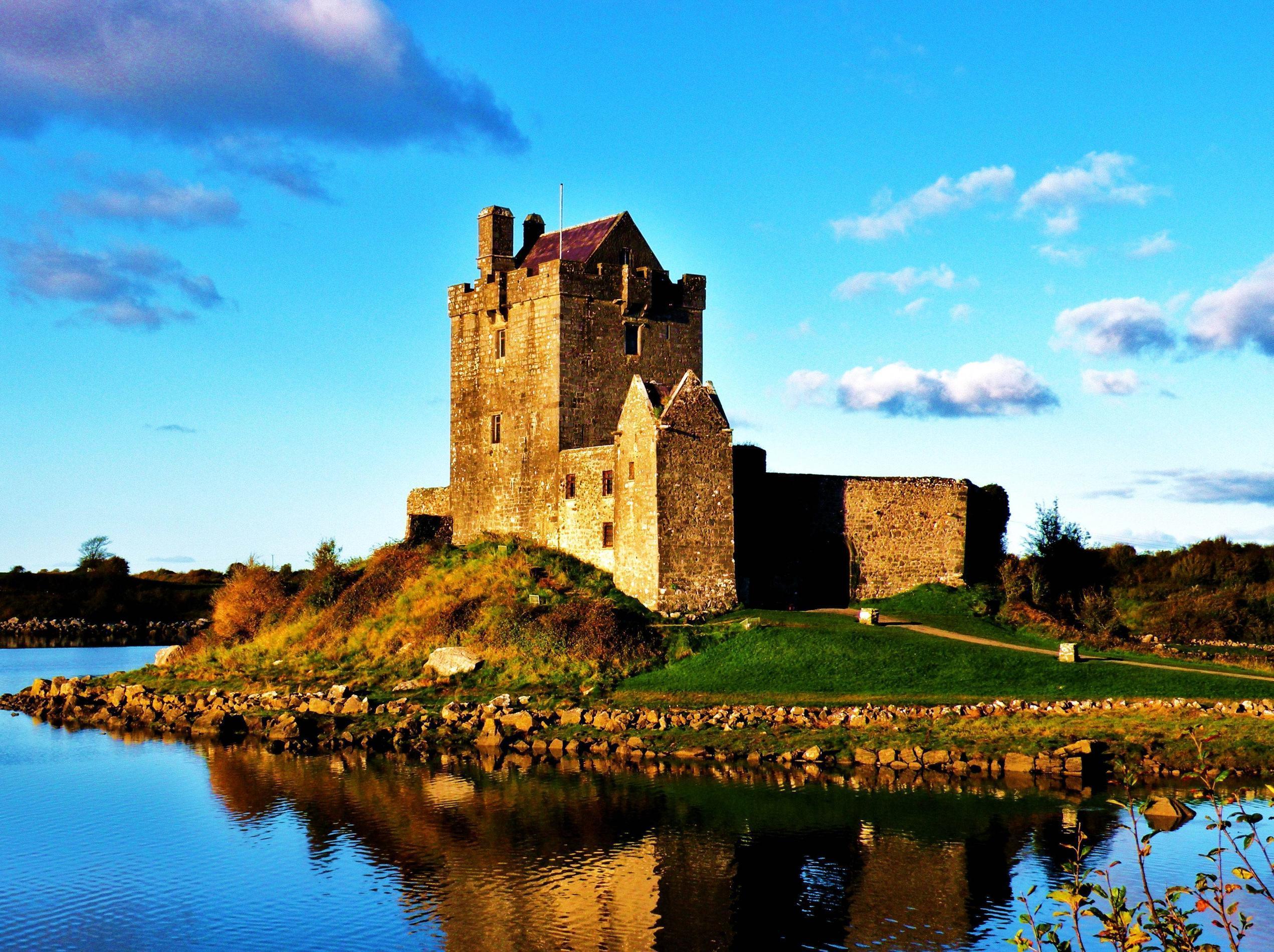
The Transformation of Hibernian Culture
Hibernian culture has undergone notable evolution throughout its prolonged and storied history. Beginning with the initial influences of Gaelic tribes, with their vibrant oral traditions and strong relationship to nature, to the introduction of Christianity, that brought about a new surge of artistic output and knowledge, the evolution of Irish heritage demonstrates the strength and adaptability of the Irish people. This blend of historical traditions and contemporary elements has crafted a unique fabric that continues to develop today.
The Irish renaissance in the late 19th and initial 20th centuries represented a decisive point for Irish heritage, as there was a resurgent interest in the Hibernian language, mythology, and folk music. Groups such as the Gaelic League took a pivotal role in supporting these cultural aspects, which led to a increasing sense of national identity. The creative fields flourished during this period, with authors like W.B. Yeats and James Joyce gaining global recognition, while traditional music began to gain traction in pubs and gatherings across the country.
In modern years, Irish heritage has undergone additional change, shaped by globalization and technological progress. The rise of modern Hibernian music, performing arts, and art showcases a blend of heritage and current styles, attracting to both residents and visitors alike. Celebrations celebrating Irish heritage, such as St. Patrick's Day, have drawn international attention and involvement, highlighting Ireland’s lively cultural heritage while also embracing its prospects. This dynamic interplay between heritage and contemporary practices keeps to influence the cultural landscape of the country today.
Remarkable Historical Occasions and Their Impact
The history is marked by notable milestones that have shaped its identity and heritage. One pivotal moment was the Greatest Hunger in the mid-19th century, which left an indelible mark on the nation. The famines resulted in the death of over one million people and the mass emigration of numerous others, greatly altering the population landscape of Ireland. It sparked a strong sense of nationalism and laid the foundation for future political movements. The consequences of the famine is still present today, as it is a constant reminder of resilience and the fight for survival.
The Easter Rising of 1916 was another significant event that played a crucial role in the country's struggle for freedom. This armed insurrection aimed to end British rule in Ireland and established a clear link between the fight for nationalism and the struggle for independence. Though initially faced with harsh repercussions, the rising galvanized public opinion and encouraged an awakening of national consciousness that eventually led to the creation of the Irish Free State in the beginning 20th century. This event was foundational in defining modern Irish self-identity and political landscape.
Lastly, the division of Ireland in 1921 created a lasting split that continues to echo in contemporary politics. The division between Northern Ireland and the Republic of Ireland produced complicated social and political conflicts, notably the Troubles in the late 20th century. The partition strengthened identity and cultural divisions and influenced everything from cultural expression to international relations. Comprehending these historical events and the repercussions is key to appreciating the lush tapestry of Irish heritage and the ongoing journey toward unity and peace.